
Citrus Home Fragrance: Bergamot, Lemon & How to Energise Your Space
Why Citrus Works Differently in Every Room
Citrus is the most neurologically activating fragrance family. The terpene compounds in lemon, grapefruit, bergamot and orange peel, primarily limonene and citral, stimulate the same brain pathways as morning light. They increase alertness, improve mood, and reduce the perception of fatigue. A documented 1994 study found a 54% reduction in typing errors in lemon-scented environments compared to unscented ones. Citrus is the only fragrance family with measurable improvements in cognitive performance.
This neurological character means citrus is the right note for rooms where you need to function, and the wrong note for rooms where you need to rest. Good citrus home fragrance does not just smell clean. It makes a space feel clean, signalling freshness and clarity the moment you enter. The difference between citrus and every other fragrance family is that citrus works on the room and on you.
Bergamot: The Most Sophisticated Citrus Note
Bergamot is the finest and most complex citrus in home fragrance. Unlike lemon or grapefruit, which are straightforwardly fresh and bright, bergamot has depth: a fruity, slightly floral quality with a subtle bitter edge that sets it apart from every other citrus note. It is grown almost exclusively in Calabria in southern Italy, where the specific microclimate produces an oil of superior quality. The essential oil is cold-pressed from the rind of the fruit; it takes roughly a hundred bergamot oranges to produce 85g of oil.
Bergamot is sometimes described as the citrus note for people who find regular citrus too simple. It has a mild spicy undertone alongside the freshness, a linalool-derived quality that bridges citrus and light floral. It is energising without being sharp, sophisticated without being heavy. Perfumers use it as a top note across fragrance families, citrus, chypre, oriental, woody, precisely because its complexity allows it to work with notes that pure lemon or grapefruit would clash with.
In home fragrance specifically, bergamot suits the home office and kitchen above any other citrus note. It delivers the alertness benefit of citrus with enough refinement to avoid reading as a cleaning product.
Not All Citrus Is the Same
Most mass-market citrus home fragrances smell like cleaning products because they use the same chemical compounds as surface cleaners. The difference is in the supporting notes. Lemon alone reads as functional. Lemon over patchouli, tobacco and wood, as in the Botanics composition, reads as sophisticated. Bergamot is citrus for focus and concentration. Yuzu is sharper and more angular, excellent in bathrooms. Neroli, from the blossom of the bitter orange tree, bridges citrus and floral: good in bedrooms and hallways. Mandarin is warm and round, one of the most welcoming citrus notes. Grapefruit is bright and slightly bitter, energising in the morning.
Where Citrus Works Best
The kitchen is where citrus earns its most functional role. The terpene compounds in citrus actively cut through food odours rather than simply competing with them. A citrus room spray after cooking does something that rose or oud cannot: it genuinely neutralises the ambient smell. This is particularly true of bergamot, which has enough complexity to leave the kitchen smelling interesting rather than merely clean.
In a home office, citrus delivers the alertness benefit continuously through the working day. The Botanics Scented Oil in a reed diffuser provides this at sustained low concentration, grounded by patchouli and wood so it reads as sophisticated rather than functional.
In a bathroom, citrus is almost always a success. Fresh, clean, invigorating, and suited to the quick-reset role that a bathroom fragrance needs to play.
In a hallway, citrus welcomes visitors with immediate freshness and optimism. It sets a tone for the rest of the home without making a heavy commitment.
Citrus is actively counterproductive in calming, romantic, sleep and meditation contexts. Never in a bedroom at night. It is the morning note; use something else by evening.
The Right Format for Citrus
Citrus is a top note, which means it fades fastest of all. Room sprays deliver citrus most honestly, at the moment you need it. The Botanics Room Spray is the citrus delivery mechanism in the LK Verdant collection, alcohol-free, with bergamot and lemon as the dominant top notes. The Botanics Scented Oil is the continuous version, releasing the composition gradually through the working day.
The LK Verdant Citrus Blend
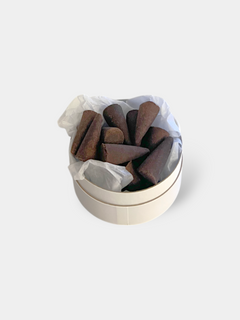
The Botanics composition carries lemon and bergamot as the dominant top notes over a base of patchouli, tobacco and wood. It is citrus that has been given a foundation, something to hold onto so the freshness does not simply evaporate. Available as incense cones, room spray and scented oil.
Shop Language of Botanics | Browse the full collection
Citrus & Bergamot: Frequently Asked Questions
What does bergamot smell like?
Bergamot smells like a complex, slightly floral citrus: bright and fresh but with a subtle bitter edge and a mild spicy undertone that makes it more interesting than simple lemon or orange. It is simultaneously invigorating and refined. If you have ever had Earl Grey tea, you have already encountered bergamot; the tea is flavoured with its oil.
Is bergamot the same as lemon?
No. Bergamot is a distinct citrus fruit grown primarily in Calabria, Italy. Lemon is bright and sharp. Bergamot is softer, more complex, with a floral quality and a bitterness that gives it elegance. In perfumery, bergamot is considered the finest of the citrus notes precisely because it does things that lemon cannot.
What is the best citrus note for a home office?
Bergamot. Its complexity means it does not become background noise the way that simpler citrus notes can. It sustains attention and reads as sophisticated rather than functional: the quality you want when you are spending hours in a space rather than simply passing through it.
How long does citrus fragrance last in a room?
Citrus is a top note, so it fades faster than base or middle notes. In a room spray, the freshness lasts 20 to 40 minutes. In a reed diffuser using an alcohol-free perfume oil with a citrus top over a woody base, the freshness cycles continuously as the oil evaporates, meaning you get sustained presence over hours. The base notes, patchouli, wood, tobacco in the Botanics blend, are what keep the room smelling of something even as the citrus top refreshes itself.
Can citrus work in autumn and winter?
Yes, but it needs support. A bergamot and wood composition works well year-round because the woody base anchors the freshness. Pure citrus can feel at odds with a cold, dark room, so the answer is to pair it with something warm and grounding rather than abandoning it altogether. The Botanics blend is designed to do exactly this.
Related guides: Kitchen guide | Home office guide | Bathroom guide | Energising Morning edit | Focus & Concentration edit | Sandalwood guide