
Kitchen Fragrance Guide
The Kitchen Fragrance Guide
The kitchen is the hardest room in any house to fragrance well. It produces the most powerful ambient smells of any domestic space (cooking, food, waste) and those smells change dramatically through the day. A kitchen that smells extraordinary isn't an accident. It's the result of understanding how fragrance interacts with a cooking environment, which fragrance families can hold their own against food smells, and which formats are actually safe near open flames and heat.
This guide is the LK Verdant approach to kitchen fragrance. The science, the strategy, and the specific recommendations that work in a real working kitchen.
Why the Kitchen Is the Hardest Room to Fragrance
Three things make the kitchen uniquely difficult.
Competing ambient smells. Cooking produces some of the strongest, most pervasive smells in the domestic environment. Garlic, fish, fried foods, spices, the occasional burnt thing. These can overwhelm any fragrance that wasn't specifically chosen to complement or cut through them. A scent that works beautifully in a living room will be invisible in a kitchen during cooking.
Heat and ventilation. Kitchens are hot environments with active ventilation. Extractor fans, open windows, the ambient heat of the hob and oven. All of this accelerates fragrance evaporation and reduces longevity. A diffuser that lasts three months in a bedroom may last four to six weeks in a kitchen.
Safety considerations. Open flames near cooking surfaces, flammable materials, the general activity level. The kitchen is the room where candle safety is a real consideration, not just a footnote.
Three principles govern kitchen fragrance:
Choose families that complement food smells, not compete with them. The most effective kitchen fragrances are those that read as naturally at home in a food environment. Citrus, herbs, clean green notes.
Prioritise flame-free formats. Reed diffusers, scented oils and wax warmers are safer in a kitchen than candles. If you do use candles, position them well away from the hob and never leave them unattended.
Accept that kitchen fragrance is functional as well as aesthetic. The kitchen is the one room where fragrance has a genuine functional role. Neutralising cooking odours, refreshing the space between cooking sessions, maintaining a pleasant ambient environment for a room in constant use.
The Science of Fragrance in a Cooking Environment
Cooking smells are produced by volatile organic compounds. The same category of molecules as fragrance. This means kitchen fragrance isn't simply a matter of adding a pleasant smell to a neutral space. It's a matter of managing the interaction between multiple competing volatile compounds.
The most effective kitchen fragrances are those whose volatile compounds are chemically compatible with common cooking smells. They either complement the existing volatile profile of the kitchen or are sufficiently dominant to establish themselves above it. Research in food science has shown that citrus terpenes (the volatile compounds in lemon, grapefruit and orange peel) are among the most effective at cutting through food odours. This is why citrus-based cleaning products have dominated the kitchen cleaning category for decades. The same principle applies to kitchen fragrance.
The Fragrance Families That Belong in a Kitchen
Citrus
The kitchen's primary fragrance family. Citrus compositions are energising, clean, and naturally associated with freshness and hygiene. The terpene compounds in citrus, principally limonene and citral, are among the most effective at cutting through food odours. Lemon and grapefruit are the most commonly used in kitchen fragrance. Bergamot and yuzu offer more sophisticated alternatives. Our Botanics blend, built around lemon top notes layered with patchouli, tobacco and wood, is the LK Verdant entry into this category. The lemon cuts through cooking smells in the way you'd expect, but the patchouli and wood base prevents it reading as a cleaning product. It stays sophisticated.
Fresh herbs
The culinary herb category. The most intuitive kitchen fragrance family. Herb compositions are naturally at home in a cooking environment because they share their volatile compounds with the herbs used in cooking. Basil, rosemary, thyme, mint and sage are the classical members. None of these are central to our current scent library, but the principle holds. A rosemary and thyme composition reads as an extension of the cooking environment rather than an addition to it. These fragrances are also effective at neutralising strong food odours. The aromatic compounds in rosemary and sage are particularly good against fish and meat smells.
Clean green and botanical
The fresh kitchen category. Clean green compositions like green tea, cucumber, bamboo, fern and cut grass suit kitchens with a contemporary, minimal aesthetic and work well in the morning and daytime. Green tea in particular has a clean, slightly astringent quality that reads as fresh without being aggressive. These are less effective at cutting through strong cooking smells than citrus or herbs, but they excel as background fragrance in a kitchen that isn't actively cooking.
Light woods
The sophisticated kitchen category. Light wood compositions like cedarwood, hinoki, bamboo and light sandalwood suit kitchens with natural materials. Wood, stone, concrete. They read as clean and grounded. These are the kitchen fragrances that work best in the evening, when cooking is done and the kitchen transitions to a social space. Light cedarwood and hinoki in particular have a clean, slightly resinous quality that suits a kitchen without reading as a living room fragrance.
What Doesn't Belong in a Kitchen
Heavy florals and orientals
Rich floral and oriental compositions like heavy rose, dense oud or dark amber clash with food smells in a way that's genuinely unpleasant. These are living room and hallway fragrances. Our Vanilla Oud and Arabian Tonka cones, beautiful as they are, are not for the kitchen. In a kitchen they read as incongruous and can make food smells worse by creating an unexpected olfactory combination.
Gourmand compositions
Caramel, chocolate and vanilla-led fragrances in a kitchen create a confusing association between fragrance and actual food. These compositions can also interact unpredictably with cooking smells, creating combinations that are neither pleasant as fragrance nor appetising as food.
Heavy musks
Dense, powdery musk compositions feel wrong in a kitchen environment. The kitchen is a space of activity and freshness. Heavy musks read as bedroom or bathroom fragrances and feel incongruous in a cooking space.
Which Format to Use in a Kitchen
Best: Reed diffusers and scented oils
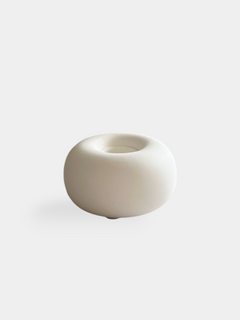
Our Botanics Scented Oil is the LK Verdant kitchen recommendation. It provides continuous fragrance without flame, is unaffected by cooking heat at a safe distance from the hob, and suits the functional requirements of the space. Place on a windowsill, shelf or worktop away from the cooking zone and direct heat sources. In a well-ventilated kitchen, expect to replace every six to eight weeks.
Excellent: Hand-pressed incense cones
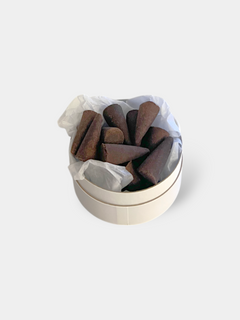
Our Botanics Incense Cones offer a more ritualised kitchen fragrance moment. Burn one in the morning while making coffee, or after dinner once cooking is fully done. The lemon and patchouli register sits well in a post-cooking kitchen and the residual fragrance refreshes the space without competing with the meal you've just eaten. Always burn cones away from the cooking zone, never near the hob.
Strategic use: Room sprays
A room spray is the kitchen's most effective tool for immediate odour management. A single spritz after cooking, particularly after fish, strong spices or anything that produces persistent odours, provides immediate fragrance impact. Our Botanics Room Spray is alcohol-free and uses lemon as a top note, which makes it ideal for the kitchen.
Good, with strict safety rules: Candles
Candles can be used in kitchens but require strict discipline. Never near a cooking surface. Never unattended. Always extinguished before cooking begins. The kitchen is the room where candle safety matters most. If you do use candles, choose them for moments when the kitchen is a social space rather than an active cooking environment. A dinner party table candle. A weekend morning candle while coffee brews.
Placement in the Kitchen
Away from the cooking zone. The most important kitchen placement rule. Fragrance sources should be positioned well away from the hob, oven and grill. Heat accelerates evaporation and reduces longevity, and open flames near cooking surfaces are a safety risk.
Near the entrance. Placing a diffuser near the kitchen entrance means fragrance greets anyone entering the room before they encounter cooking smells. This is particularly effective in open-plan spaces where the kitchen is visible from the living area.
At mid-height. Fragrance rises. A diffuser on a low surface will perform less well than one at worktop or shelf height. The exception is candles, which create their own convection.
Near a window but not in direct sunlight. A position near a window allows fragrance to circulate with natural airflow. Avoid direct sunlight, which degrades diffuser oils and wax.
Managing Cooking Odours: A Practical Strategy
The most effective approach to kitchen fragrance is a two-stage strategy. Continuous background fragrance plus reactive odour management.
Continuous background. A scented oil in a citrus or herb composition running continuously provides a baseline fragrance that prevents the kitchen smelling stale between cooking sessions.
Reactive management. A room spray in the same fragrance family used immediately after cooking, particularly after strong-smelling foods, provides immediate odour management. Open windows for five minutes after cooking, then spray to refresh the space.
This two-stage approach is more effective than any single fragrance format used alone.
The LK Verdant Kitchen Edit
A curated selection of our blends chosen specifically for kitchen performance, in the fragrance families and formats that suit a cooking environment. Our Botanics blend, in all three formats (incense cones, room spray, scented oil), is the LK Verdant kitchen signature.
Shop Home Fragrance
Related guides and edits:
The Energising Morning Edit for kitchens that get the morning sun →
The Focus & Concentration Edit for kitchen-diners doubling as workspace →
FAQ
What is the best fragrance for a kitchen?
Is it safe to use candles in a kitchen?
How do I get rid of cooking smells in my kitchen?
Can I use a reed diffuser in a kitchen?
What fragrance goes with cooking smells?