
Dressing Room Fragrance Guide
The Wardrobe and Dressing Room Fragrance Guide
Done well, wardrobe fragrance means your clothes carry a subtle, beautiful scent that becomes part of your personal fragrance signature. Done badly, it means your clothes smell of a fragrance that clashes with your perfume, or of a synthetic note that degrades the quality of the wardrobe itself. The wardrobe is one of the few spaces in the home where fragrance transfers directly to fabric, where the scent of your home has a direct effect on how you feel before you've even left the room. A beautifully fragranced wardrobe is one of the defining characteristics of a luxury home, and one of the most underrated fragrance opportunities in most houses.
This is the LK Verdant guide to wardrobe and dressing room fragrance. The science of scent on fabric, the fragrance families that protect and enhance your clothes, the formats that are safe for textiles, and the principles that create a dressing experience worthy of the clothes you own.
Why Wardrobe Fragrance Is Different from Every Other Room
The wardrobe is a closed environment with low airflow, where even small amounts of fragrance perfume the clothing for weeks. Luxury hotels have understood this for a century. Their dressing rooms and closet spaces are deliberately fragranced because the scent transfers, subtly, onto everything that lives there. Most homes ignore the opportunity entirely.
Three principles govern wardrobe and dressing room fragrance.
Choose families compatible with clothing. Not all fragrance families transfer well to fabric. Heavy, oily compositions can stain delicate textiles. The wardrobe rewards lighter, cleaner compositions that perfume rather than coat.
Use fabric-safe formats. Wardrobe fragrances need to scent your fabrics whilst protecting them. Linen-safe sprays and small reed diffusers offer direct fragrancing. Incense cones and candles need to be kept well away from textiles for fire safety.
Consider the interaction with your personal fragrance. The fragrance in your wardrobe will layer with the perfume or cologne you wear. Choose a wardrobe fragrance that complements rather than competes with your personal fragrance.
The Science of Fragrance on Fabric
Fragrance molecules bind to fabric fibres through a process of adsorption. The molecules attach to the surface of the fibre rather than being absorbed into it. Natural fibres such as wool, cashmere, cotton and silk adsorb fragrance molecules more readily than synthetic fibres.
The longevity of fragrance on fabric depends on which compounds are present. Base notes containing musks, woods and resins persist longest on fabric. Top notes such as citrus and light herbs tend to fade quickly.
Practically, this means you should choose wardrobe fragrances with beautiful base notes, because those are the notes that will actually remain with your clothing.
The Fragrance Families That Belong in a Wardrobe and Dressing Room
1. Clean musks and white woods
White musk, sandalwood, light cedarwood, cotton. Clean musk compositions transfer beautifully to fabric, read as simply clean and luxurious on clothing, and are compatible with virtually any personal fragrance. White musk in particular is the defining scent of luxury linen. Sandalwood and light cedarwood add depth without heaviness and have the additional benefit of being natural moth deterrents.
2. Soft florals
Rose, jasmine, neroli, iris, violet. The feminine dressing room category. Soft florals transfer beautifully to natural fibres and suit wardrobes that contain predominantly feminine clothing. Rose and iris in particular have a quality on fabric that's different from their quality in the air. They become softer, almost a part of your aura. Our Blossom blend, with honeysuckle, freesia, jasmine and amber, sits in this register and works particularly well as a dressing room fragrance via scented oil or linen spray.
3. Light woods and botanicals
Vetiver, light oud, hinoki, cypress. The sophisticated wardrobe category. Light wood compositions suit a more masculine or neutral aesthetic and work particularly well with tailoring, wool and cashmere. Vetiver has a clean, earthy quality that's one of the most popular notes in niche perfumery. Our Wilderness blend, with its softer floral oriental of wild rose, peony and gentle oud, sits adjacent to this family and works well in shared dressing rooms where unisex compositions matter.
4. Cedar and aromatic woods
The functional fragrance category. Cedarwood has the strongest evidence base of any fragrance material for moth deterrence. The cedrol and thujopsene compounds in cedarwood are toxic to clothes moth larvae. A cedarwood composition in a wardrobe is simultaneously a beautiful fragrance and a genuine protective measure for natural fibre clothing. We don't currently offer a cedarwood-led blend, but for buyers with delicate natural-fibre wardrobes (cashmere, wool, silk) it's worth knowing.
What Doesn't Belong in a Wardrobe or Dressing Room
Heavy, oily compositions
Dense oriental compositions with high oil content like heavy oud, dark amber and intense resin can stain delicate fabrics if they come into direct contact. These are not wardrobe fragrances. Keep them in living rooms and hallways. Our Vanilla Oud and Arabian Tonka cones are not for the wardrobe.
Citrus and fresh top notes as primary wardrobe fragrance
Citrus and fresh top notes are highly volatile and won't persist on fabric. They make poor primary wardrobe fragrances because the notes that transfer to clothing will be the base notes of the composition, not the top notes you chose it for. If you want a citrus wardrobe fragrance, choose a composition where the base notes are also beautiful. Our Botanics blend, while citrus-led at the top, has a strong patchouli, tobacco and wood base that does persist on fabric.
Which Format to Use in a Wardrobe and Dressing Room
Excellent: Small reed diffusers and scented oils, positioned away from clothing
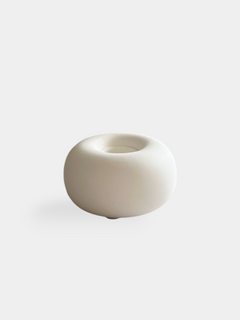
A small reed diffuser or scented oil burner in a dressing room or walk-in wardrobe provides continuous ambient fragrance that fills the space without direct contact with clothing. Position on a shelf or surface well away from hanging garments and folded textiles. Our Wilderness and Blossom Scented Oils are the LK Verdant blends best suited for this use.
Great: Linen and fabric sprays
A fabric-safe linen spray can be used directly on clothing and bedlinen for immediate fragrance. Choose formulations specifically designed for fabric use. These are formulated at lower concentration and without compounds that can stain or damage textiles.
Avoid in wardrobes: Candles, wax warmers and incense cones
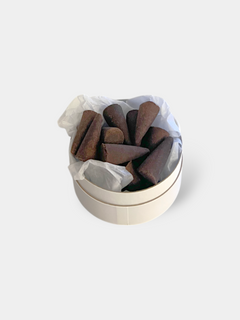
Open flames and heat sources near clothing are a fire risk. Any use of incense cones, candles or wax warmers should be well away from any fabric, hanging garment or folded textile. The wardrobe is the one room in the home where flame-free formats are non-negotiable.
The Dressing Room as a Ritual Space
The quality of the sensory environment in a dressing room has a direct effect on confidence as much as the clothing itself. Feel good, look good. Luxury fashion houses understand this. Trying on a garment in a beautifully fragranced space changes how the garment feels. The same principle applies to your dressing room at home.
The most sophisticated approach is to choose one fragrance composition and apply it across two or three formats in the dressing room. A scented oil as the continuous base, a linen spray for direct application to clothing, perhaps a small candle for the dressing-time hour. The repetition is what creates the immersive boutique impression.
The LK Verdant Wardrobe Edit
A curated selection of our blends that work beautifully as dressing room fragrances and in formats that are safe for textiles and beautiful on natural fibres.
Shop Home Fragrance
Related guides and edits:
The Calming Edit for soft, neutral compositions that pair with personal perfume →
The Romantic Edit for fuller florals and dressing-time atmosphere →
FAQ
What is the best fragrance for a wardrobe?
How do I make my wardrobe smell nice?
What fragrance deters clothes moths?
Is it safe to use a reed diffuser in a wardrobe?
How do I make my dressing room smell like a luxury boutique?