
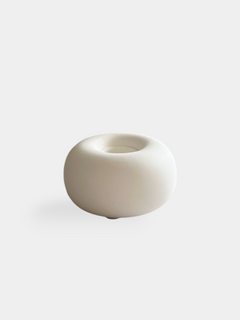
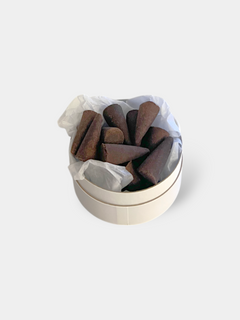

Whether you are new to home fragrance or a love a fragrant home, incense cones offer one of the most accessible, aromatic and odour removal ways to scent your space. This guide covers everything you need to know about the best incense cones, how they compare to incense sticks and how to get the most from your incense and holders.
What Are Incense Cones?
Incense cones are small, cone-shaped blocks of compressed aromatic material. Unlike incense sticks, cones have no wooden core and are made entirely from botanical matter including resins, bark, essential oils and binding agents. This means every part of a cone burns cleanly and contributes to the fragrance.
To use an incense cone is simple, just light the tip of a cone and then gently blown out after 20 seconds, as it smulders from top to bottom it releases a rich, concentrated column of fragrant smoke.
Incense Cones vs. Incense Sticks: Key Differences
Both formats have their devotees and the right choice comes down to your preferences and the type of scent experience you are after.
Burn time: Sticks burn for longer typically 20–60 minutes because the length of the stick extends the process. Cones usually burn for 15–30 minutes, making them great for faster and intense burst of fragrance.
Smoke intensity: Cones produce noticeably more smoke and a more concentrated fragrance. This suits most living spaces whether its a large open area or when scenting the full home. If you prefer something subtler, sticks may be better. However, incense smoke is very light and typically will not smoke out the whole room.
Ash and cleaning: Because cones burn completely, the cone itself becomes a perfect cylinder of delicate ash. This is easily contained within a dedicated incense and burner or a ceramic dish. Whereas, incense sticks will leave a trail of ask below the so you would need incense specific holders.
Aesthetics: Cones are a great choice as they're smaller and can be placed in a corner to do its magic. The meditative quality of incense cones in unmatched and offer a great alternative to traditional rituals.
Best Incense Cone Scents to Try
Choosing an incense cone is really choosing a mood. Here are some of the most beloved incense cones scents and what they bring to a room.
Oud Incense Cones
Oud cones are the most popular in the world of home fragrance. Oud, also called agarwood is derived from resin-saturated heartwood of Aquilaria trees, produced as the tree's natural defence response to infection. The result is a deeply complex, woody-animalic-sweet fragrance that is hugely popular in the gulf countries.
Burning oud incense cones fills a room with warmth and richeness. The scent lingers on soft furnishings and textiles long after the cone has finished burning, making it one of the most effective ways to create a lasting fragrance impression in a home.
Sandalwood Incense Cones
Sandalwood incense cones deliver a smooth, creamy, warm-woody scent that is universally calming. True sandalwood, particularly Mysore sandalwood from Karnataka, India has a silky, slightly sweet character that works beautifully for meditation, yoga, or simply unwinding in the evening.
Sandalwood is also one of the most versatile scents in home fragrance. It blends seamlessly with florals, resins, spices, and citrus, making it a popular base note in blended scented cones.
Natural Incense Cones
For those concerned about what they are burning in their home, natural incense cones are the clear choice. These are made without synthetic fragrance oils, chemical accelerants or artificial binding agents. Instead they rely on genuine plant-based ingredients: powdered bark, dried herbs, essential oils, gums and resins.
Natural cones tend to produce a more nuanced and reduces the likelihood of headaches. If a member of your household is sensitive to strong artificial fragrances, natural cones are the sensible starting point.
Other Popular Incense Cone Scents
Beyond oud and sandalwood, the world of incense cone scents is vast. Rose and jasmine bring floral softness. Frankincense and myrrh add a sacred, resinous depth. Palo Santo offers a light, cleansing woody sweetness. Amber delivers rich warmth.
How to Use Incense Cones Properly
Getting the most from an incense cone is straightforward, but a few simple steps make a real difference to the experience.
Choosing the Right Holder
A proper holder is essential. Incense cones require a heat proof surface beneath them because the base of a burning cone becomes very hot and the ash falls directly downward.
Browse our purpose made incense and holder set to find one that suits your aesthetic and the style of your home.
Lighting Your Cone
Hold a flame to the tip of the cone for five to ten seconds until the very tip begins to glow orange. Gently blow out the flame after approximately 20 seconds and the tip should continue to smoulder with a thin thread of smoke. If it extinguishes, simply relight.
Burn Time and Fragrance Intensity
Most cones take 15-30 minutes to burn completely. The fragrance will be strongest while the cone is actively burning and will gently fade over the following hours as the residual smoke settles into soft furnishings.
Caring for Your Incense Holder
With regular use, ash and residue build up in and around your holder. Gently tap or brush away cooled ash after each use. For ceramic and stone holders, occasional rinsing with warm water is sufficient. Wooden holders may benefit from a light wipe with a slightly damp cloth. Avoid soaking wooden holders, which can warp or crack over time.
Frequently Asked Questions
Are incense cones safe to burn indoors?
Yes, when used sensibly. Ensure the room has adequate ventilation, keep the burning cone on a stable non-flammable surface and never leave it unattended. People with asthma or respiratory sensitivities may prefer to burn cones in well-ventilated areas.
Why are oud incense cones more expensive?
Oud is one of the rarest and most expensive raw materials in perfumery. Agarwood is harvested from trees that have undergone a specific fungal infection, a process that takes years and cannot easily be industrially reproduced. Oud cones that use genuine agarwood or true oud oil command a premium, but the depth and longevity of the fragrance reflects that quality.
How many cones should I burn at once?
For most rooms, one cone is sufficient. Two cones can be used in larger, open-plan spaces.
What is the difference between natural and synthetic incense cones?
Natural cones use only plant-derived ingredients including essential oils, resins, botanicals and natural binders. Synthetic cones use fragrance compounds created in a laboratory.
Explore Our Incense Cones
Ready to find your perfect scent? Explore our full range of incense cones and holders — including oud cones, sandalwood incense cones and a curated selection of floral incense cones crafted for the home.